Class 6 | English
Chapter 11 | The Winner
Aligned with CBSE | NCERT | School & Olympiad Standards
Focus on What Matters Most
The67Sprint
📚 Textbook & Chapter Context
- "The Winner" is a poem by Georgia Heard
- Chapter 11, Unit 4 (Sports and Wellness), NCERT Class 6 English, Poorvi
- It follows "Change of Heart" in the same unit
Poem 🌆
🏞️ Setting
- Children gather in the evening to play ball in a neighbour's field, right next to a creek
- The speaker is a child talking for a group of friends, using the plural "we"
🏃 Action & Energy
- The children run so fast that the speaker becomes breathless
- The speaker cannot catch their breath
🌅 The Evening Changes
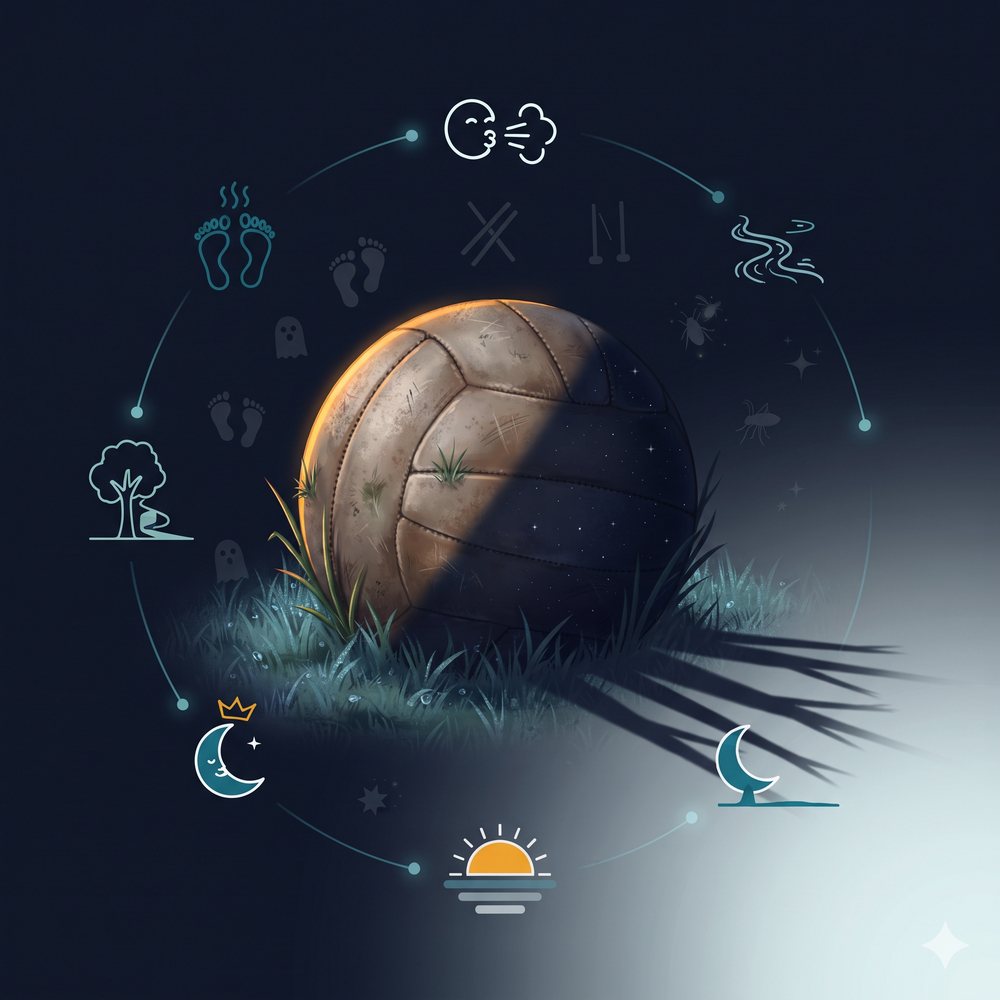
- The twilight sky turns from "blue dark" to black
- The temperature drops, so the grass turns cold and the children's feet ache
- Low light and dark shadows make the trees appear to creep close
- The children accept that the game is over: Night wins
🌍 Core Themes
- Joy and freedom of childhood — outdoor play, friendship and running freely
- Nature over human routine — day turning to night sets our schedule and tells us when to pause and rest
🎭 Personification
- Human qualities given to non-living things
- Night is a victorious player that ends the game ("Night wins")
- Trees seem to move closer ("trees creep close")
Night wins
Trees creep
🖼️ Imagery — Tactile & Visual
- Tactile (touch): cold grass making feet ache
- Visual (sight): "blue dark" turning to black
📐 Line Arrangement
- A short sentence is broken into single-word lines
- This copies the panting rhythm of a breathless child running fast
- It is a deliberate technique, not a printing error
🧩 Sports Riddles
- Football — kicking a black and white ball into a goal
- Kabaddi — holding your breath and chanting "Hu-tu-tu"
- Swimming — kicking your legs in a blue pool
- Yoga — breathing in and out for health and fitness
🏅 Indigenous Games
- Traditional Indian sports in the chapter: Kabaddi, Kho-Kho, Gilli-Danda and Mallakhamba
Central Idea
Nature is the grand referee. There is no scoreline: night's arrival ends the game and tells the children it is time to rest.
Quick Recall — Sprint Facts
Author
Georgia Heard
Book & Unit
NCERT Class 6 Poorvi, Unit 4 (Sports and Wellness), Chapter 11
Play Area
A neighbour's field next to a creek
Game Played
Playing ball
Time of Day
Evening turning into night
Effect on Speaker
Breathless from running fast
Sky Colour
"Blue dark" to black
Cold Grass
Makes the children's feet ache
Trees
Seem to "creep close" in the twilight shadows
The Ultimate Winner
Night
Main Figure of Speech
Personification
Sports Riddles
Football, Kabaddi, Swimming and Yoga
Indigenous Games
Kabaddi, Kho-Kho, Gilli-Danda, Mallakhamba
Narrator's Voice
A child speaking for friends, using "we"
🔑 Key Terms
Creek
A small stream or narrow body of water
Neighbour's Field
An open patch of land belonging to someone nearby, used informally by children to play
Catch my breath
To rest briefly to recover normal breathing after hard exertion
Blue dark
The twilight after sunset, when the sky is deep blue before total darkness
Trees creep close
An optical effect: low light and growing shadows make stationary trees seem to step nearer
Personification
Giving human traits, actions or feelings to non-human things or ideas
Tactile Imagery
Language that appeals to the sense of touch
Visual Imagery
Language that appeals to the sense of sight
Line Arrangement
Breaking lines into single words to copy a rhythm, such as panting
Indigenous Games
Native, traditional sports rooted in a region's culture and history, such as Kho-Kho, Kabaddi and Mallakhamba
🏆 Olympiad & Challenger Edge
Tone Analysis
The tone moves from playful, energetic and exhilarating during the game to reflective, quiet and slightly mysterious as dusk settles.
Symbolism of Light and Dark
The change from "blue dark" to black stands for the inevitability of time and the natural limits placed on human desires.
Visual Imagery — Closer Look
Colour moves from blue to black, and the silhouettes of trees darken.
Tactile Imagery — Closer Look
The sharp sensation of cold grass against warm, tired feet.
Structural Pacing
Poets shape stanza layout and line length to create a cadence that matches the theme: staccato single-word lines create a panting effect.
Why "The Winner"?
No player wins. The title is symbolic: Night, an unstoppable natural force, wins over the children's wish to keep playing.
Nature's Timekeepers
Changing sky colour, falling temperature and creeping shadows are gradual sensory cues that signal the natural end of outdoor play.
Play and Rest in Balance
The unit is Sports and Wellness: knowing when to stop and rest, as the children do when night falls, is part of staying healthy.
❌ A Child or Team Won?
Wrong. No child wins. Night is personified as the winner because its arrival forces the game to end.
❌ Trees Really Walk?
Wrong. It is an optical illusion: twilight shadows and low light make stationary trees seem closer.
❌ Feet Hurt from an Injury?
Wrong. The grass turned cold after sunset, which made the children's feet ache.
❌ Metaphor or Simile?
Wrong. "Trees creep close" and "Night wins" are personification: human actions given to non-living things.
❌ A Formatting Mistake?
Wrong. The single-word lines are a deliberate technique that mirrors a breathless child's panting.
✍️ Name the Device Fully
State the device and the evidence: Night wins = personification; cold grass = tactile imagery; blue dark turns to black = visual imagery.
✍️ Match the Sports Riddles
Football = black and white ball into a goal; Kabaddi = holding breath and chanting "Hu-tu-tu"; Swimming = kicking legs in a blue pool; Yoga = breathing in and out.
✍️ Why the Title?
Say that Night is the winner, since its arrival halts play and shows that nature's cycles control human activity.
🌇 Natural Evening Boundaries
Play in local grounds or parks naturally ends when streetlights come on or dusk falls.
🫁 Understanding Exertion
"Catch my breath" links to football, running or kabaddi, where fast sprints cause temporary panting and need rest.
🌙 Senses at Dusk
After sunset, places feel cooler and look shadowy, changing how familiar trees and grass look and feel.
⏰ Respecting Nature's Clock
Play hard, then stop and head home for rest and homework: balance recreation with discipline.
🏃 Outdoor and Indigenous Sports
Kabaddi, Kho-Kho and Mallakhamba promote active outdoor play instead of screen time.
👥 Who Is the Speaker?
Don't say it is about a single named player. The narrator is a child speaking for a group of friends, using "we".
📖 Define Personification
Not "comparing two things". Say: giving human traits, actions or qualities to non-living things or abstract ideas, such as Night winning or trees creeping.
🔠 Spell Creek and Aches
Write creek (a stream), not "creak" (a sound), and aches, not "akes".
📍 Be Precise on Setting
Write that the children play in a neighbour's field next to a creek, not "in a ground". Vague answers lose half a mark.
🧱 Typography Answer
Say the single-word lines mirror a breathless rhythm. Don't say they are a list or an error.
🏅 Spell the Games
Write Kabaddi, Kho-Kho, Gilli-Danda and Mallakhamba exactly.
🎨 Imagery Types
Don't mix them up: cold grass is tactile (touch); blue dark turns to black is visual (sight).
Logic Chain — How Evening Ends the Game
Step 1 — The Game
Children playing ball in a neighbour's field run fast, which leaves the speaker breathless
Step 2 — Sunset
The sun sets and the sky changes from blue dark to black, which makes the temperature drop
Step 3 — Cold & Shadows
Cold grass makes their feet ache, and lengthening shadows make the trees seem to creep close
Step 4 — Night Wins
Fading light halts the playing, which leads to the end of the game and Night as the winner
🦉
Mentor Byte
"When reading 'The Winner', don't look for a scoreline or a trophy! Georgia Heard shows that nature is the grand referee. Prepare around three pillars: (1) how the line arrangement makes you feel breathless, (2) the exact definition and examples of personification, and (3) the exact setting — a neighbour's field next to a creek. Link 'Night wins' to personification, cold grass to tactile imagery, and 'blue dark' turning to black to visual imagery."
For Parents
Step outside together at dusk and ask your child what changes: the light, the temperature and the look of the trees. Then ask which of those the poem described, and what the poet meant by saying Night wins.